


For most of publishing history, becoming an author meant clearing a series of gates that had nothing to do with how good your story actually was. You needed an agent to say yes. You needed a publisher to say yes again. You needed a budget for an illustrator, a formatter, a cover designer, and a printer willing to take on a small run. Most people with a story worth telling simply never got past the first gate.
AI book publishing has quietly removed almost every one of those gates. An AI book publisher like Story Spark now lets anyone, regardless of writing experience, design skill, or budget, take an idea and turn it into a beautifully illustrated, professionally printed hardcover book. No literary agent. No waiting list. No rejection letter. Just your story, brought to life.
This guide covers everything you need to know about AI book publishing in 2026: what it actually is, how it compares to traditional publishing and older self publishing platforms, how the process works step by step, what it costs, and how to choose the right AI book publisher for your project.
What Is an AI Book Publisher?
An AI book publisher is a platform that uses artificial intelligence to help you write, illustrate, format, and produce a finished book, often from nothing more than an idea, a few prompts, or a rough draft. Instead of hiring a ghostwriter, an illustrator, a layout designer, and a print broker separately, you do all of it in one place.
Story Spark is built specifically for this purpose. It is an AI powered platform where users can write, illustrate, and print premium hardcover books across formats including storybooks, novels, memoirs, comic books, and search and find books, all without needing a publisher, an illustrator, or any prior design experience. Over 200,000 authors have already used the platform to bring their stories to life, from first time storytellers publishing a book for their child to seasoned writers looking for a faster, more flexible workflow.
The term "AI book publishing" covers a few distinct capabilities that, together, replace what used to take a team of specialists:
- AI-assisted writing. Turning an idea, outline, or rough draft into polished, readable prose or a complete children's story.
- AI illustration. Generating custom, consistent artwork for characters and scenes, without commissioning an illustrator.
- Automated design and layout. Placing text and images into a professional, print-ready book layout automatically.
- Print-on-demand production. Producing a physical, bound copy of the book without a minimum order or a warehouse.
When people search for an "AI book publisher," what they are usually looking for is a single platform that can do all four of those things well, rather than stitching together a text generator, an image generator, and a separate print service by hand.
Why AI Book Publishing Is Growing So Fast
A few forces have converged to make AI book publishing one of the fastest-growing corners of the creator economy.
Traditional publishing was never built for most writers. The traditional publishing industry accepts a tiny fraction of submitted manuscripts. Even successful self-published authors on older platforms often had to learn design software, hire an illustrator for thousands of dollars, or spend months formatting a manuscript before it was print ready. AI book publishing collapses that timeline from months to hours.
Illustration used to be the biggest barrier. For picture books, comics, and illustrated memoirs, the cost of hiring an illustrator was often the single biggest obstacle to finishing a project. Built-in AI illustration tools remove that barrier entirely, generating professional-quality artwork instantly and letting the creator focus entirely on the story rather than the production.
People want to own something physical. Digital-only publishing has its place, but there is a specific and growing demand for premium, gift-worthy hardcover books, not flimsy print-on-demand paperbacks. Grandparents want a real book to read to a grandchild. Couples want a hardcover memoir of their relationship. Authors want something they can actually hold and sell at a market stall or a school fair.
Creative ownership matters more than ever. With traditional publishing, authors often give up a significant share of rights and royalties in exchange for distribution. Self publishing with an AI book publisher flips that arrangement. On Story Spark, you own 100 percent of your own content and words, and with a Creator subscription you also own the AI generated content within your books, meaning you are free to sell, share, gift, or distribute your book however you choose.
AI Book Publishing vs Traditional Publishing
It helps to see the two paths side by side.
Traditional publishing typically requires submitting a manuscript to agents or publishers, waiting months for a response, and, if you are accepted, giving up a share of rights and royalties. There are submission queues, rejection letters, and gatekeepers at every stage, and the process from acceptance to a book on shelves can take a year or more.
AI book publishing removes every one of those barriers. There are no submission queues, no rejection letters, and no rights transfers. You create your book, you own it, and you publish it on your own schedule. With Story Spark specifically, most authors complete their first book in a single sitting, and a printed hardcover copy arrives within about five working days of ordering.
This does not mean traditional publishing is obsolete. Large publishing houses still offer marketing budgets, editorial teams, and retail distribution that most independent authors cannot replicate alone. But for the vast majority of people who simply want to write a book, illustrate it beautifully, and hold a finished copy in their hands, AI book publishing is now a faster, cheaper, and more creatively liberating route.
AI Book Publishing vs Older Self Publishing Platforms
Self publishing itself is not new. Print-on-demand services have existed for years, letting authors upload a finished manuscript and cover file and order printed copies. The difference with an AI book publisher is where the platform's help actually starts.
Most self publishing platforms handle distribution but require you to arrive with a finished, formatted manuscript and a completed cover design already in hand. That means you still need to write the whole book yourself, find or commission illustrations, and either learn design software or pay someone who knows it.
Story Spark is an end-to-end creation platform. It helps you write, illustrate, design, format, and print your book, all in one place. It is particularly unique in offering AI-generated illustration built directly into the workflow, making it the only platform where a non-illustrator can self publish a fully illustrated book without any external help. Instead of arriving at the finish line with a manuscript, you can arrive at the starting line with just an idea.
What You Can Publish with an AI Book Publisher
A good AI book publisher should not be limited to one type of book. Story Spark currently supports four main formats, each suited to different kinds of stories and creators.
Storybooks
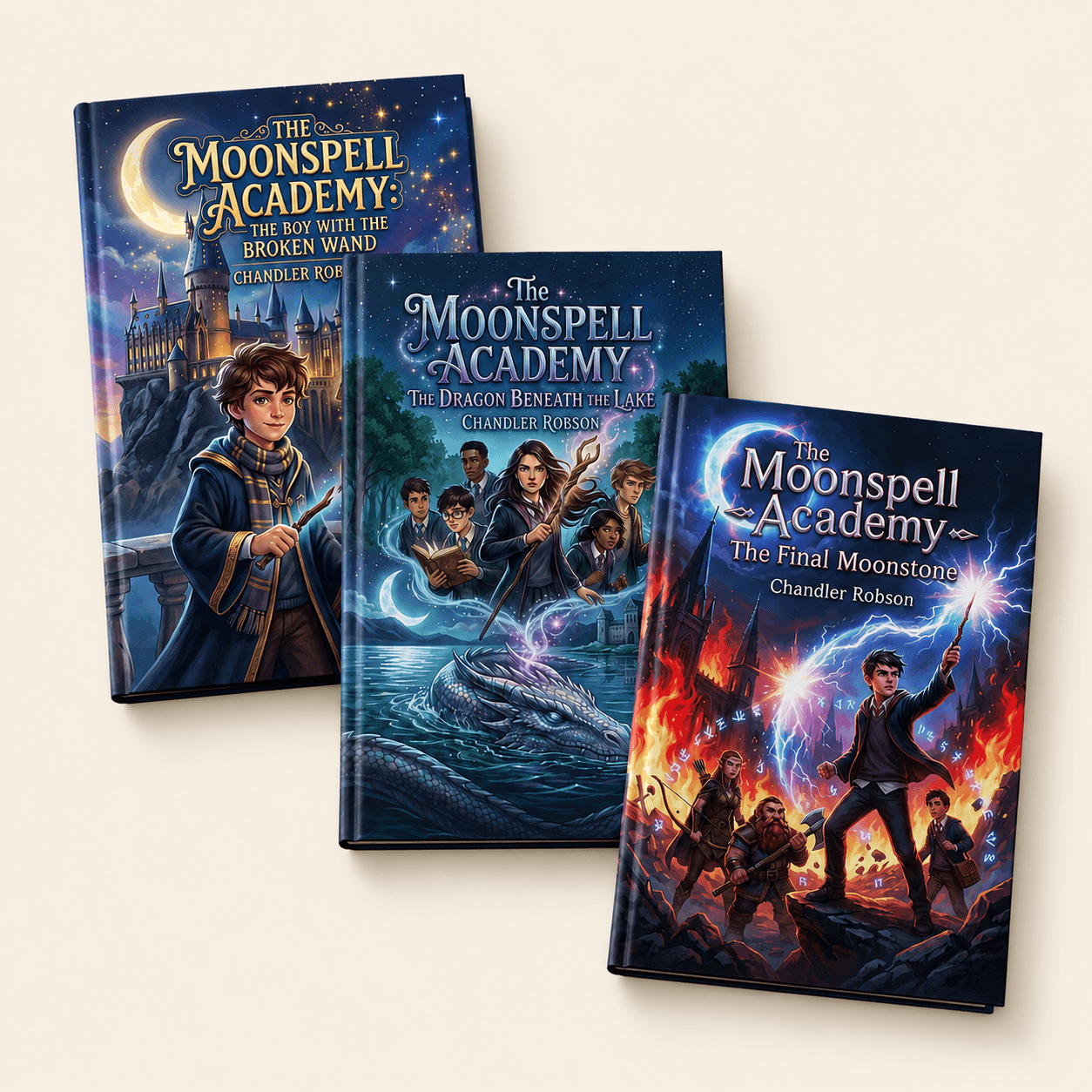
Illustrated children's picture books are where AI book publishing has arguably made the biggest difference. The best children's books do not always come from big publishing houses. They come from parents, grandparents, and teachers with something real to say. Story Spark gives creators the tools to write, illustrate, and publish a beautifully produced picture book that looks like it belongs on a bookshop shelf, suited to bedtime stories, rhyming books, emotional tales, adventure stories, language development books, and moral fables.
Books (Novels, Memoirs, and Non-Fiction)
For longer-form writing, Story Spark's Books format supports fiction novels, memoirs, biographies, non-fiction guides, and poetry collections. AI writing assistance helps with drafting and structure, while formatting and print-ready output are handled automatically, making this a genuinely viable alternative to traditional publishing for adult authors who want to write the book they have always had in their head and actually finish it.
Comic Books
Self publishing a comic book has historically required a writer, a penciler, an inker, a colorist, and a letterer. Story Spark condenses that entire pipeline into one workflow, offering dynamic panel layouts, speech bubbles, and striking AI-generated artwork so creators can focus on the story instead of the production. This format suits superhero comics, graphic novels, manga-style stories, and webcomics that a creator wants to see in print.
Search-and-Find Books
Beyond narrative formats, Story Spark also supports non-personalised picture books in the search-and-find style, giving creators another avenue for illustrated, activity-driven books beyond straightforward storytelling.
Across every format, the finished product is produced to print-ready professional standards and delivered as a premium, gift-worthy hardcover, not a flimsy paperback.
How AI Book Publishing Actually Works, Step by Step
The exact workflow varies slightly by book type, but the general process for publishing with an AI book publisher like Story Spark follows the same shape.
- Choose your book type
Start by selecting the format that fits your story: storybook, novel or memoir, comic book, or search-and-find book. This determines the tools and templates you will work with throughout the rest of the process.
2. Develop your story and characters
Depending on the format, you will outline your plot, describe your characters, or upload an existing draft. For illustrated formats, you describe your characters, the visual style you want, and the scenes you need, and the AI illustration tools generate consistent, professional-quality artwork based on those descriptions.
3. Write and refine with AI assistance
AI writing tools help turn your ideas into polished prose, whether that is a rhyming picture book text, chapter-length fiction, or comic dialogue and captions. You stay in control of every word and can edit text, illustrations, layouts, and characters until every page feels right.
4. Preview every page
Before anything goes to print, you can preview the full layout of your book, page by page, checking text, artwork, and design together as a finished product rather than separate pieces.
5. Export or print
Once you are happy with your book, you have two options. You can export it as an EPUB, PDF, or individual PNG assets, watermark-free, giving you everything you need to publish or format on any other platform. Or you can order a printed hardcover copy, which is produced to professional standards and dispatched within 5 working days.
Most authors complete their first book in a single session, and the total time from first idea to a printed book in hand is typically under two weeks.
What Makes a Good AI Book Publisher
If you are comparing AI book publishing platforms, a few things separate a genuinely useful tool from a gimmick.
All formats under one roof. Switching between separate tools for writing, illustration, layout, and printing defeats the purpose of using an AI book publisher in the first place. Look for a platform that supports storybooks, novels, memoirs, and comics without forcing you to export and re-import your work elsewhere.
Genuine creative control. AI should accelerate your book, not replace your voice. The ability to edit text, regenerate or adjust illustrations, and rearrange layouts matters far more than a platform that only offers one-click, unchangeable output.
Real illustration quality. For picture books and comics especially, illustration consistency across pages, in character appearance, art style, and color palette, is one of the clearest signs of a mature AI book publisher versus an early-stage tool.
Print quality that matches the price. A book you are proud enough to gift or sell should feel like it, with a genuine hardcover binding and professional layout, not a flimsy paperback that undercuts the work you put into it.
Full ownership of your work. Always check what happens to your rights. With Story Spark, you own 100 percent of your own content and words, and Creator subscribers also own the AI generated content in their books, with no rights claimed by the platform. That means you remain free to sell, share, gift, or distribute your book however you choose, including selling it beyond Story Spark entirely.
Genuine flexibility on output. Whether you want a single hardcover as a keepsake, a small batch to sell at a local market, or digital files to submit elsewhere, your AI book publisher should support that, not lock you into one delivery format.
Common Questions About AI Book Publishing
Do I need writing experience to publish a book with AI?
No. Story Spark is built for people at every experience level, from someone publishing their very first story to established authors looking for a faster, more flexible workflow. The platform handles design, formatting, and illustration automatically, so you can focus entirely on your story rather than the mechanics of producing a book.
Do I need to hire an illustrator?
No. Built-in AI illustration tools generate professional-quality artwork for your book instantly based on the characters, style, and scenes you describe, making it possible to self publish a fully illustrated book without any illustration budget at all.
How long does the process take?
Most books can be created in a single session. Once your book is complete and you have previewed every page, it is printed and dispatched within 5 working days, meaning the total journey from first idea to a printed book in your hands is typically less than two weeks.
Who owns the finished book?
You do, entirely. Story Spark does not claim any rights to the stories, characters, or illustrations you create. Everything you produce on the platform belongs to you, and you are free to sell, share, gift, or distribute it however you choose.
Can I publish more than a children's book?
Yes. Alongside illustrated storybooks, Story Spark's Books format supports novels, memoirs, biographies, non-fiction guides, and poetry collections, and the Comic Books format supports superhero comics, graphic novels, manga-style stories, and webcomics.
Is AI book publishing the same as vanity publishing?
Not in the way the term is traditionally used. Vanity publishing historically referred to paying a company large sums for limited, often overpriced print runs with little genuine support. AI book publishing platforms like Story Spark instead give creators the actual tools, writing assistance, illustration, layout, and print-on-demand production, needed to make a professional book themselves, at a fraction of the cost, with full ownership retained throughout.
Who Is Using AI Book Publishing Right Now
The appeal of AI book publishing spans a wide range of creators, not just one niche.
Parents and grandparents are creating personalised and original storybooks that reflect a child's own name, interests, or life experiences, producing something far more meaningful than an off-the-shelf title.
First-time authors are finally finishing the novel or memoir they always meant to write, using AI writing assistance to move past the blank page and professional formatting to skip months of manual layout work.
Aspiring comic creators are self publishing superhero stories, manga-influenced comics, and webcomics in print for the first time, without needing to assemble a full art team.
Small business owners and educators are using illustrated books as branded gifts, teaching resources, or products to sell directly to their own audience, owning their content fully rather than licensing it through a publisher.
Established writers are using AI book publishing as a faster, more flexible complement to traditional routes, particularly for projects that a traditional publisher would consider too niche or too small to take on.
The Real Cost of AI Book Publishing vs Traditional Routes
One of the clearest reasons AI book publishing has taken off is cost. It is worth breaking down what a book actually costs to produce through each route, because the gap is larger than most first-time authors expect.
A traditionally illustrated picture book, produced independently outside of a publishing deal, commonly involves paying a freelance illustrator per spread, a separate cover artist, a layout designer to assemble everything into a print-ready file, and then a print broker or self publishing platform to actually produce copies. For a modest 24-page picture book, that can add up to a significant sum before a single copy exists, and that is before accounting for revisions, missed deadlines, or an illustrator whose style does not quite match the vision in your head.
A traditionally published novel avoids most of that production cost, but trades it for time and control. Agents and publishers can take months to respond, if they respond at all, and a successful deal usually involves handing over a meaningful share of royalties and creative decision-making in exchange for distribution.
With an AI book publisher, the writing, illustration, and layout costs are folded into a single subscription or one-off project fee, and the only additional cost is the printed copy itself. There is no need to coordinate multiple freelancers, manage revision rounds across different people, or wait on a submission queue. For an illustrated storybook specifically, this is often the difference between a project that never gets finished and one that ships in a single weekend.
None of this means every book should be self published with AI. A debut literary novelist chasing a six-figure advance and a national marketing campaign still needs a traditional publisher. But for the overwhelming majority of people who want to write a specific book, illustrate it well, and hold a finished copy, AI book publishing is now the more realistic and more affordable path.
A Simple Framework for Choosing Your First AI-Published Book
If you are new to AI book publishing and unsure where to start, it helps to work through a short framework before you open the platform.
Start with the audience, not the format. Are you writing for a specific child, for yourself, for a general readership, or for a niche community of enthusiasts? The audience will naturally point you toward a storybook, a memoir, a novel, or a comic, rather than the other way around.
Pick a project you can actually finish. A 24-page illustrated storybook or a tightly scoped novella is a far better first project than an unfinished 400-page fantasy epic. Momentum matters more than scope when you are learning how an AI book publisher's tools work.
Decide how the book will be used before you design it. A book meant purely as a family keepsake can prioritise sentiment and personal detail. A book meant to be sold needs a stronger hook, a clear cover concept, and consideration of who would actually buy it.
Treat the first draft as a starting point, not a final answer. AI writing and illustration tools are fastest when you iterate. Generate a first pass, read it as a reader would, and refine the sections, characters, or artwork that do not yet feel right, rather than expecting perfection on the first attempt.
Preview before you print. Because AI book publishing removes the cost pressure of traditional production, there is no reason to rush to print before every page has been reviewed. Use the preview stage properly. It is far cheaper to fix a layout issue on screen than to discover it in a printed hardcover.
Frequently Asked Terms in AI Book Publishing
As AI book publishing has grown, a handful of terms come up repeatedly. It is worth knowing what they actually mean.
AI book publisher. A platform, like Story Spark, that combines AI writing, AI illustration, automated layout, and print-on-demand production into a single tool for creating a finished book.
Self publishing. The broader practice of publishing a book independently, without a traditional publishing house, retaining full ownership and creative control over the finished product.
Print on demand. A production model where books are printed individually as they are ordered, rather than in large upfront runs, which is what makes it financially viable to order a single hardcover copy or a small batch rather than committing to thousands of units.
Watermark-free export. The ability to download your finished book, as an EPUB, PDF, or individual image assets, without any platform branding overlaid on the content, giving you full flexibility to publish or format it elsewhere.
Character consistency. In AI illustration specifically, this refers to a character looking recognisably the same across every page and scene in a book, which is one of the more technically demanding parts of AI-illustrated storytelling and a key marker of a mature AI book publishing platform.
Getting Started with Story Spark
If you have an idea for a book, whether it is a bedtime story for your own child, the memoir you have been putting off for years, or a comic book universe you have been sketching out in your head, the barrier to actually finishing it has never been lower. Story Spark's self publishing platform lets you write, illustrate, and print your book without a publisher, an illustrator, or any prior experience.
Choose your format, start creating with AI, preview your pages, and hold a finished hardcover book in your hands within weeks rather than years. You can browse plans on the pricing page, explore more guidance in the learning centre, or jump straight in and start creating your book.
Every published author starts with a single idea. With the right AI book publisher, yours does not have to stay an idea for long.
Explore more on self publishing with AI on the Story Spark self-publishing page, read more creator guides on the Story Spark blog, or check common questions on the FAQ page.
Written by the Story Spark Team. Story Spark is an AI-powered platform for creating, illustrating, and printing your own books.